文章认为,随着美国与中国竞争加剧,拉丁美洲正成为全球竞争的重要地区,战略重要性不断提升,也获得了实现合作伙伴多元化、增强谈判能力和追求自主发展的难得机遇。但政治不稳定、制度薄弱、持续不平等以及对外部市场和投资的依赖,可能限制拉美把握这一机遇的能力。
Latin America’s Strategic Opening—And Why It May Miss it
As Washington intensifies competition with Beijing, Latin America has a rare chance to pursue autonomous development, yet local hurdles may ruin its ability to capitalize on the opportunity.
For much of modern history, Latin America has often been viewed as a peripheral region in global affairs—a supplier of commodities, a recipient of foreign investment, and a sphere of influence dominated by larger powers. Today, however, that perception is changing. As rivalry between the United States and China intensifies, Latin America is emerging as one of the most strategically competitive regions in the world.
A growing body of research suggests that the region now occupies a unique position at the crossroads of economics, geopolitics, and global development. While Latin America remains structurally dependent on external markets and investment, it has also become a key arena where Washington and Beijing compete for influence, resources, and strategic partnerships.
This transformation reflects broader changes in the international system. Over the past two decades, China has become an important economic partner for Latin America, with growing cooperation in trade, investment, and infrastructure development. At the same time, the United States has renewed its focus on the Western Hemisphere amid concerns about China’s growing footprint in what has traditionally been regarded as America’s strategic backyard.
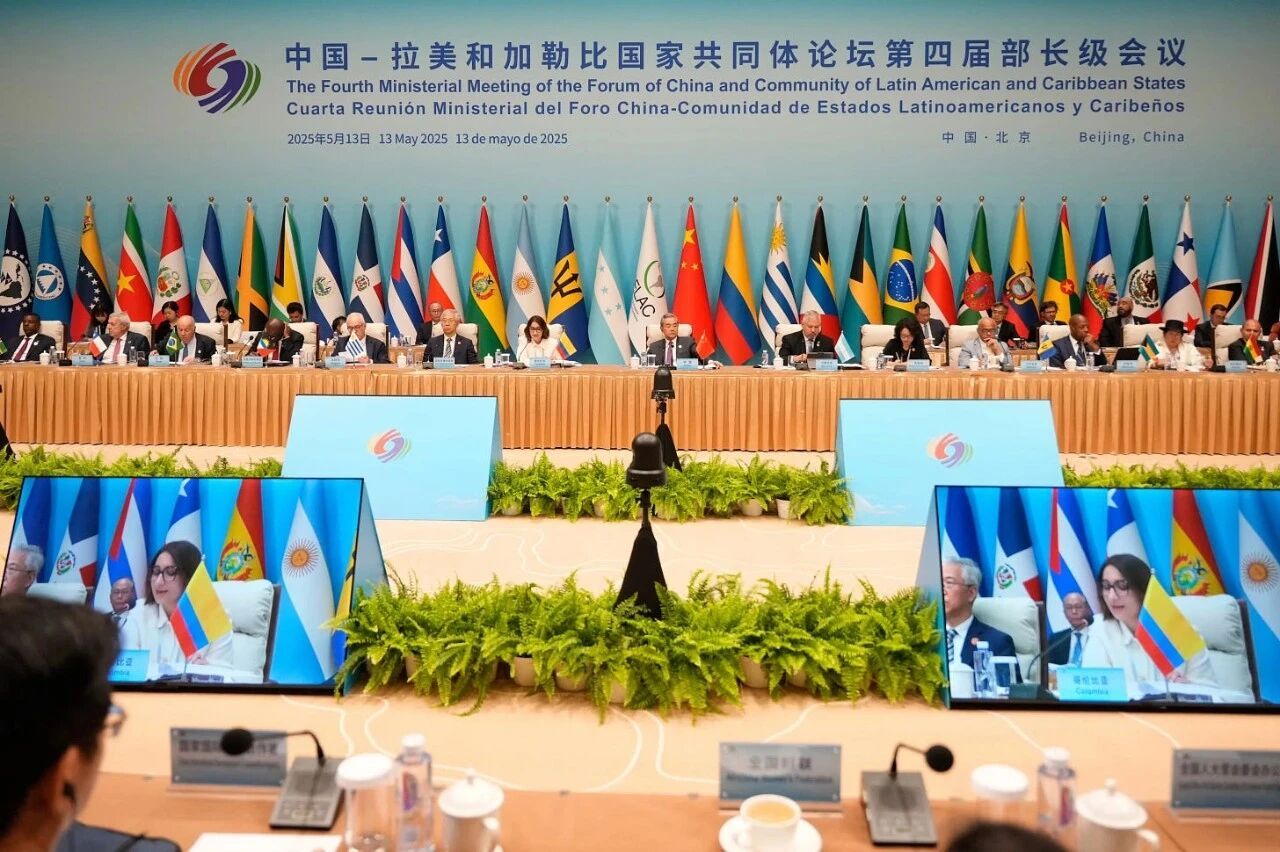
The China-CELAC Forum 2025 adopted a final statement endorsing multilateralism and sustainable development. (cancilleria.gov.co)
The result is a region that is more important than ever to global politics, yet still faces many of the economic and political challenges that have historically constrained its development.
Historically, Latin America was often categorized by China as part of the “Third World” during the Cold War. In this framework, the region was grouped with developing countries in Asia and Africa that sought to resist domination by the world’s superpowers.
Yet Latin America’s experience differed from many other developing regions. Although politically independent, most countries remained economically dependent on advanced economies, particularly the United States. The influence of the Monroe Doctrine, which asserted U.S. dominance in the Western Hemisphere, further limited the region’s geopolitical autonomy.
Later, scholars of world-systems theory argued that Latin America’s position was defined less by politics and more by economics. According to this perspective, the global economy is divided into “core” countries that control finance, technology, and advanced industries, and “peripheral” countries that primarily export raw materials and low-value goods.
For decades, Latin America occupied this peripheral position. While nations such as Brazil and Mexico developed significant industrial sectors, much of the region continued to depend heavily on commodity exports. Economic growth often remained vulnerable to fluctuations in global demand, commodity prices, and financial markets. Despite periods of industrialization and modernization, many countries struggled to escape this pattern of dependency.
The emergence of China as a global economic powerhouse has altered Latin America’s place in the world economy. Chinese demand for commodities such as copper, soybeans, iron ore, and lithium has fueled trade growth across the region. Chinese companies have invested heavily in infrastructure projects, energy development, telecommunications networks, and transportation corridors.
For many Latin American governments, engagement with China has provided an alternative source of financing and economic partnership. Countries that once relied overwhelmingly on the United States or European markets now have greater flexibility in their international relations. China has become one of the region’s most important trading partners, particularly in South America. Its investments have helped fund roads, ports, power plants, and digital infrastructure that many countries desperately need.
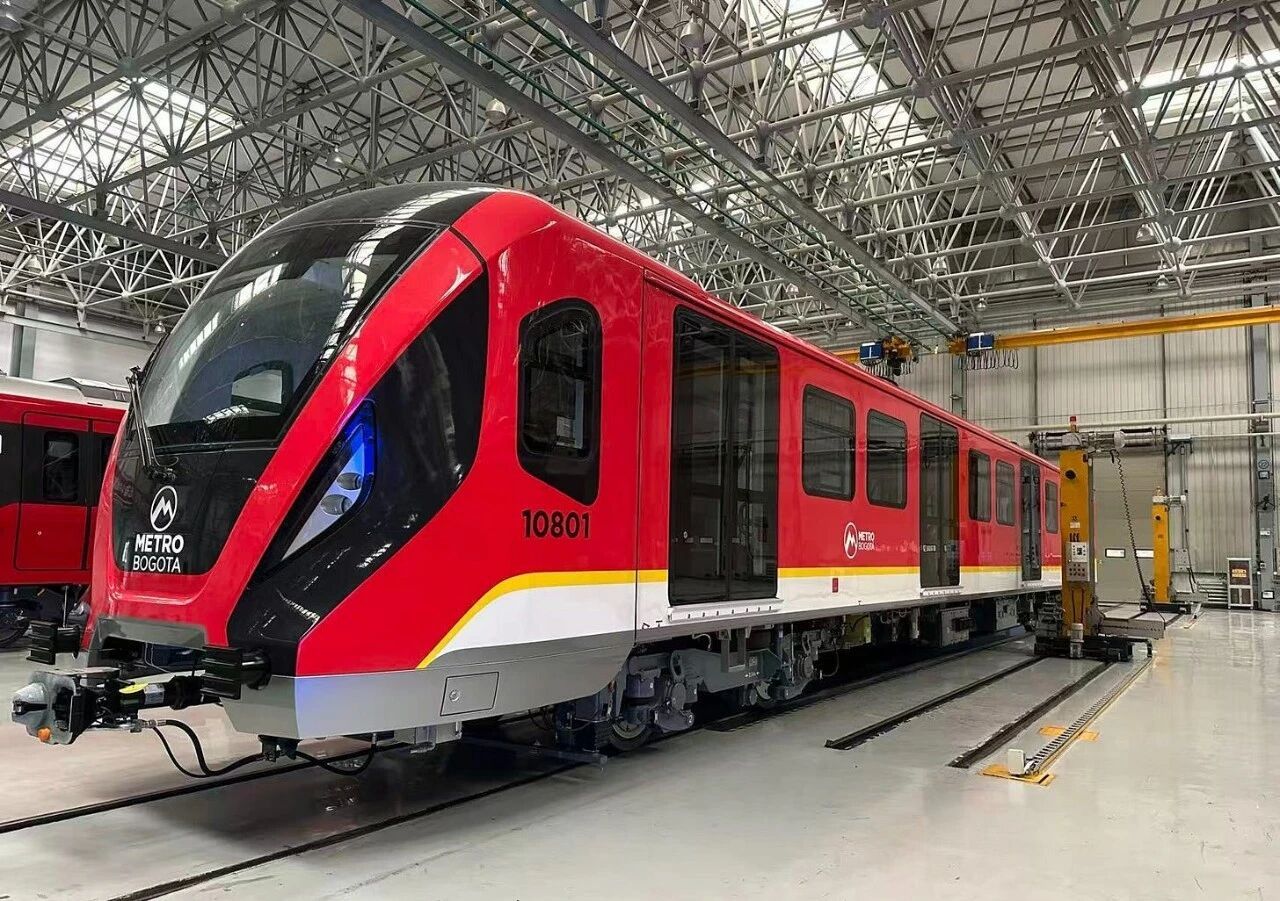
Bogotá Metro Line 1 train, manufactured in China by CRRC Changchun. Photo| Lu Bingyang
However, some analysts argue that these opportunities come with risks. While Chinese engagement has expanded economic options, it has also reinforced some traditional patterns of dependency. Many Latin American economies continue to export primarily raw materials while importing higher-value manufactured products. This situation revives the longstanding debate over whether reliance on commodity exports weakens, rather than promotes, long-term industrial development and technological innovation.
As China and Latin American countries have steadily advanced their cooperation, the United States has also increased its diplomatic and economic engagement in the region. American policymakers increasingly view Latin America through the lens of strategic competition with Beijing. Concerns about Chinese investment in critical infrastructure, telecommunications networks, and resource extraction have elevated the region’s importance in Washington’s foreign policy calculations. The new U.S. National Security Strategy has clearly indicated a renewed commitment to the Western Hemisphere.
This renewed focus reflects a broader shift in global politics. Rather than a world dominated by a single superpower, many analysts now describe the international system as a “dual-core” structure centered on the United States and China. In this emerging order, both powers compete for economic influence, technological leadership, and geopolitical advantage. Latin America has become one of the key arenas where this competition unfolds.
The region’s abundant natural resources, which is essential for batteries and renewable energy technologies—have further increased its strategic value. Control over supply chains, infrastructure networks, and technological standards is becoming as important as traditional military power. As a result, Latin America is no longer viewed merely as a passive recipient of external influence. It is increasingly recognized as a pivotal region whose decisions can shape global economic and strategic outcomes.
This new reality presents both opportunities and challenges for Latin American countries. On one hand, competition between China and the United States gives governments greater leverage. Countries may be able to diversify their partnerships, attract investment from multiple sources, and negotiate more favorable economic arrangements.
Some analysts believe the current environment offers Latin America a rare opportunity to strengthen its bargaining position and pursue more autonomous development strategies.
However, political instability, institutional weaknesses, and persistent inequality continue to hinder many countries’ ability to capitalize on new opportunities. Without significant investments in education, innovation, industrial upgrading, and regional integration, the region risks remaining dependent on external actors despite its growing strategic importance.
Perhaps the most striking conclusion emerging from recent research is that Latin America faces a fundamental paradox. The region is becoming increasingly important to the world’s most powerful countries, yet that growing importance does not automatically translate into greater autonomy or prosperity. To put it straightforwardly, its strategic relevance is rising faster than its structural transformation.
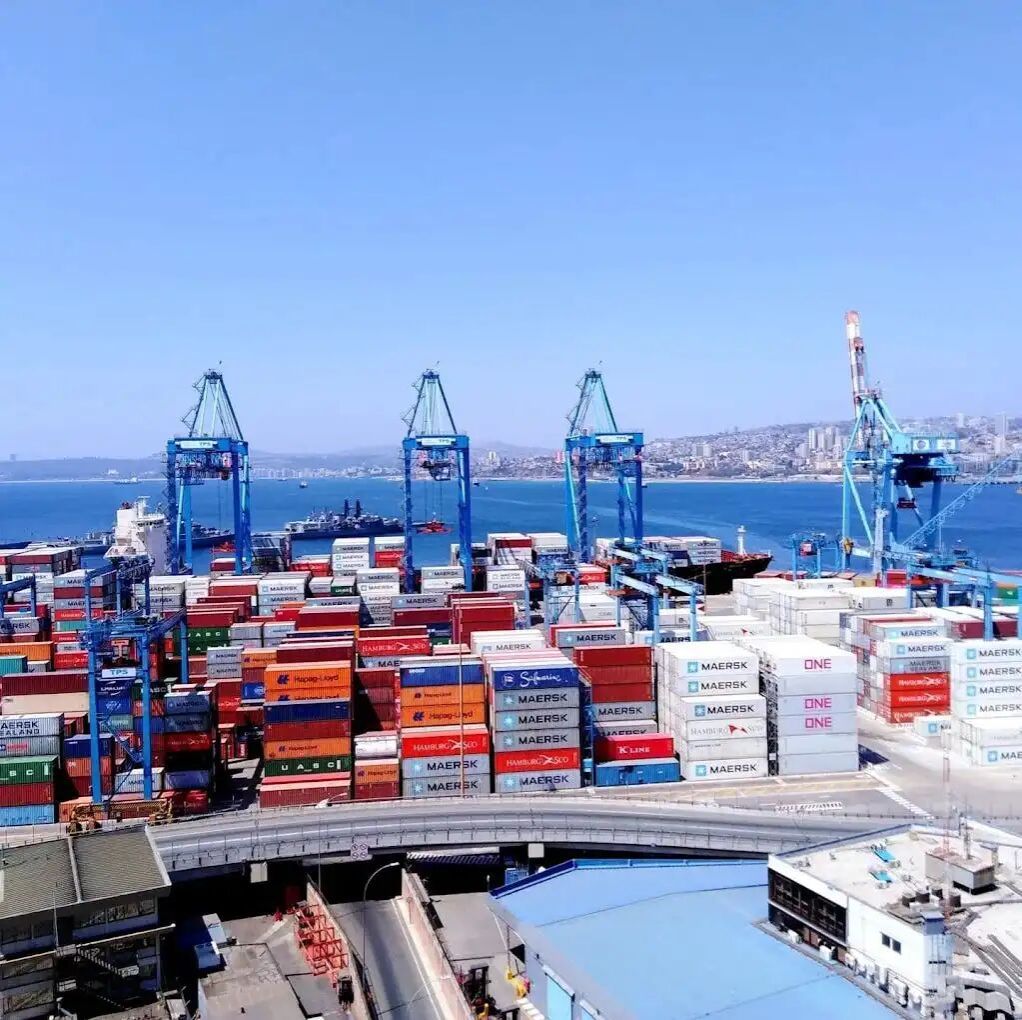
The Port of Valparaíso is the largest in Chile. In 2025, Chile’s total exports reached 64.3 million tonnes. The export mix remains heavily concentrated in the extractive sector. Copper ores and concentrates led the export mix at 14.7 million tonnes, followed closely by iron ore (14.4 million tonnes) and rock salt, sea salt, and brine (8.4 million tonnes).
In other words, Latin America may be moving from the margins of global politics to the center of international competition without necessarily escaping the economic constraints that have shaped its development for decades. Whether the region can convert geopolitical significance into sustainable development remains one of the defining questions of the twenty-first century.
As the United States intensifies its competition with China for influence in the region, Latin America stands at a critical crossroads — no longer a forgotten periphery, but not yet an independent center of power. The region’s future will depend on how effectively its governments navigate the opportunities and pressures created by an increasingly competitive and uncertain world order.
原文链接:Substack
发布时间:2026年9月27日